
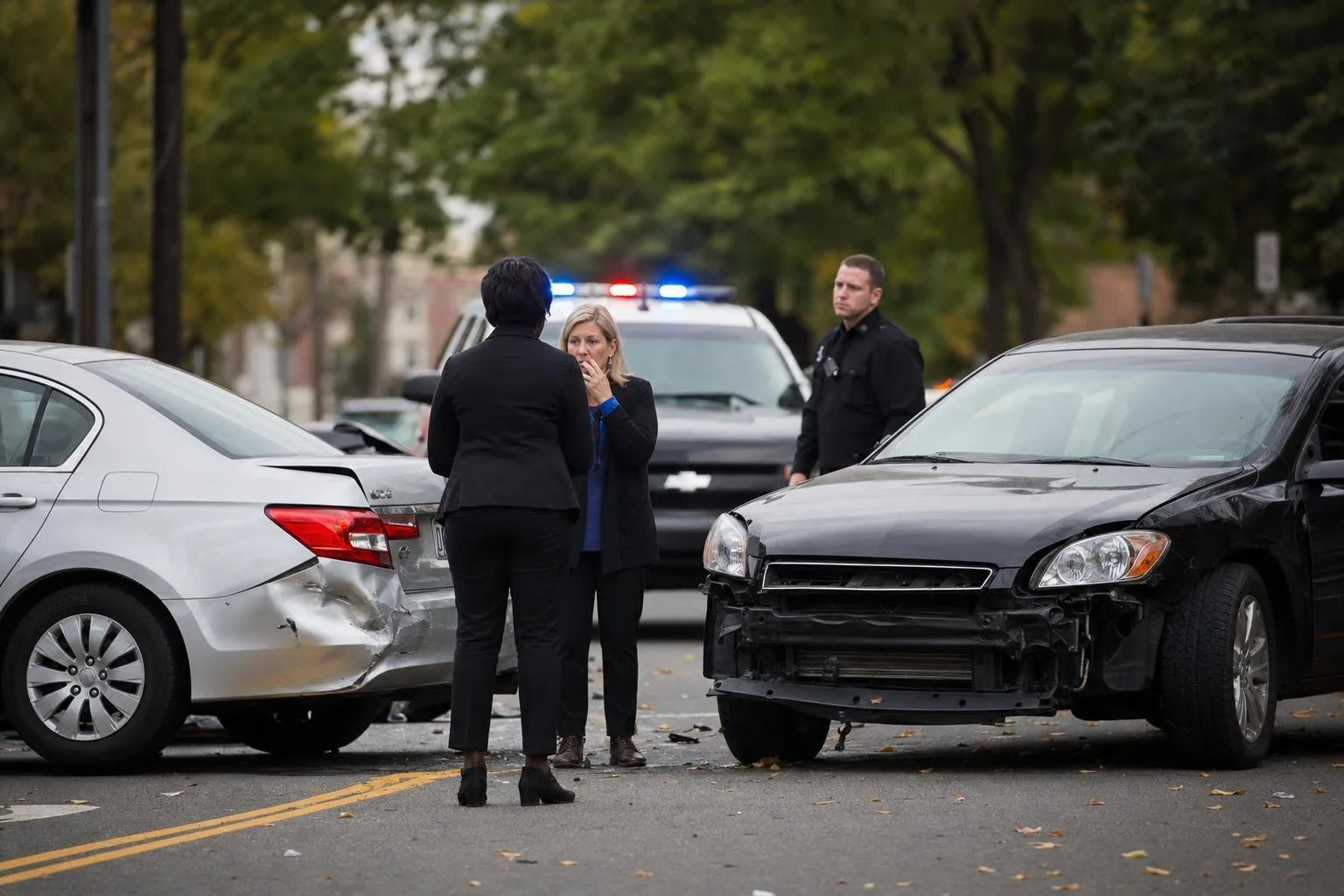
The Alvarez Law Firm helps car accident victims throughout Alexandria, VA recover full compensation after crashes that upend their lives. We are located at 50 South Pickett St., Suite 110 , right here in Alexandria, and our attorneys, admitted to the Virginia State Bar and practicing personal injury law across Northern Virginia, handle every aspect of your claim so you can focus on recovering.
Virginia law gives you two years to file a personal injury lawsuit, but the steps you take in the days immediately after a crash can determine what you are entitled to under Virginia law. Injured in a car accident in Alexandria? Call us at (703) 888-0959 to speak with an attorney about your claim.
Key Takeaways
- Virginia’s statute of limitations gives car accident victims two years from the crash date to file a personal injury claim.
- After a car accident in Alexandria, VA, documenting the scene and seeking medical care immediately protects your right to compensation.
- Insurance adjusters routinely minimize payouts, so knowing your rights before you speak with them matters.
- Virginia follows a contributory negligence rule, meaning any fault assigned to you can bar your recovery entirely.
- An attorney can navigate the claims process on your behalf and pursue maximum benefits and compensation under Virginia law.
Your First Steps After a Crash in Alexandria
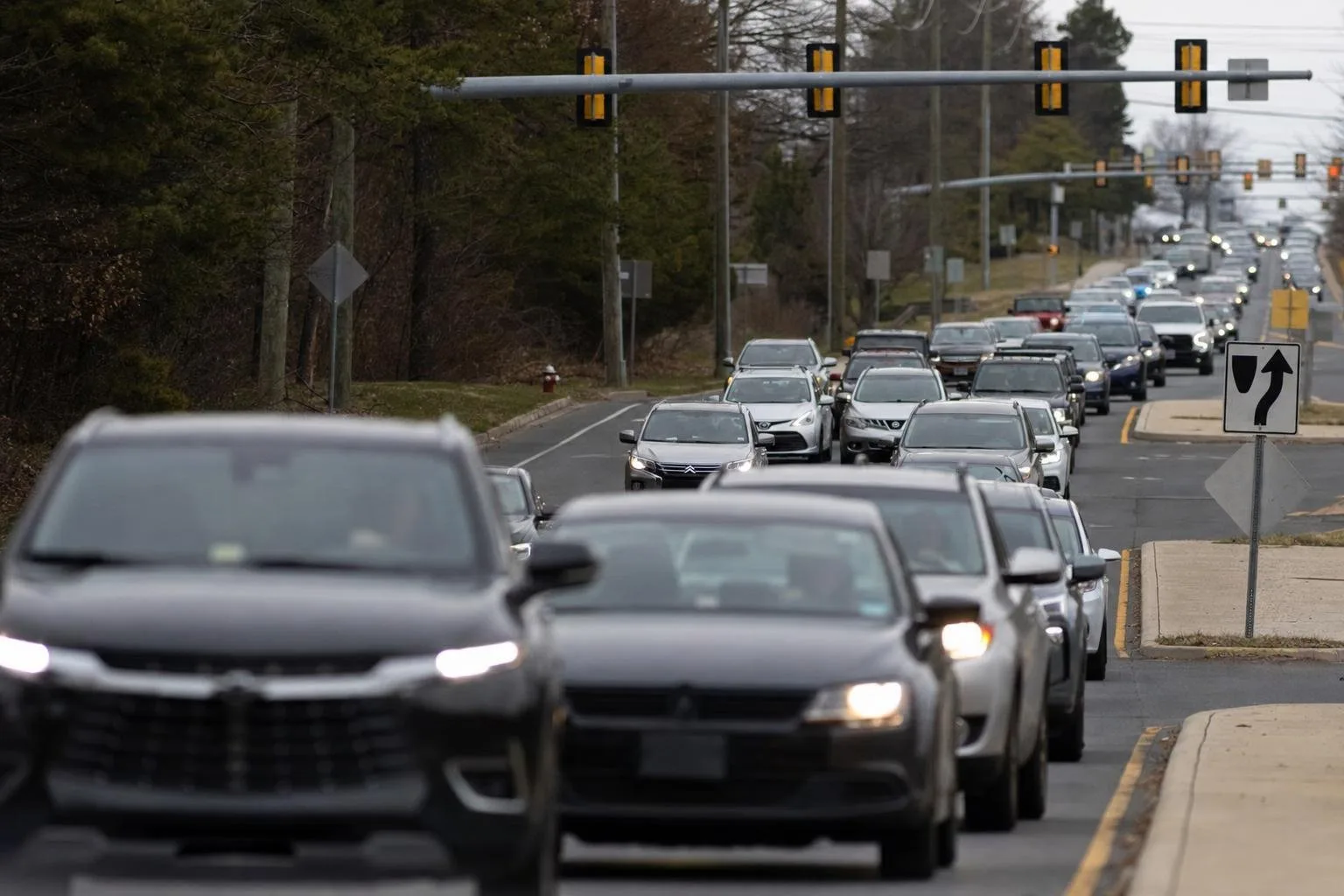
Alexandria’s road network mixes high-speed arterials, dense residential cross-streets, and heavy commuter traffic, creating conditions where serious collisions happen fast and without warning. Drivers who travel routes like Route 1, the I-395 interchange near Landmark, and the Duke Street corridor know how quickly a normal commute can turn into an emergency.
The decisions you make in the minutes and days after a crash directly shape what compensation you can recover. Physical shock and disorientation after a collision are normal, but they can lead to statements or actions at the scene that insurers later use against you. Knowing what steps to take, and what to avoid, matters immediately.
The Alvarez Law Firm provides Alexandria personal injury representation for people injured in crashes throughout Northern Virginia. From the first call, we pull the official crash report, identify the responding agency, and take over communications with the at-fault driver’s adjuster so nothing you say is twisted into an admission. If you have questions after a crash, contact us at our office at 50 South Pickett St., Suite 110, Alexandria, VA 22304 .
Why Alexandria’s Roads Create Specific Accident Risks
Northern Virginia’s road network creates collision conditions that drivers from other parts of the state rarely encounter. The street grid shifts abruptly from narrow Old Town blocks to high-speed arterials within just a few blocks, producing speed-change zones that contribute directly to rear-end and T-bone crashes. Understanding where these risks concentrate matters for your Virginia car accident claim.
High-Crash Corridors in Alexandria
Route 1 through Hybla Valley and Gum Springs is one of the most dangerous stretches in the region, a pattern reflected in Virginia DMV and VDOT crash data for the Route 1 corridor in Fairfax County and Alexandria. Frequent signal spacing, heavy commercial truck traffic, and pedestrian crossings along the corridor produce high volumes of rear-end collisions and pedestrian strikes.
If you were struck while on foot along this stretch, read our page on what to expect after a pedestrian accident in Alexandria for specific guidance on your rights.
The I-395 on/off ramps near Seminary Road create merge conflicts between highway-speed traffic and local drivers unfamiliar with the interchange. Duke Street between Landmark and the Old Town boundary sees T-bone collisions at poorly timed intersections. The King Street corridor near Braddock Road Metro adds commuter foot traffic and fast-moving vehicle lanes in close proximity, a mixing-zone combination that produces serious crashes throughout the week.
How Virginia’s Contributory Negligence Rule Affects Your Case
Virginia is one of only a handful of states still applying pure contributory negligence. That means if an insurer or court finds you even 1% at fault for the crash, you may be barred from recovering any compensation at all. This is not a technicality. It is the standard Virginia courts apply, and insurers know it.
What you say at the scene, what you post on social media, and how you respond to an adjuster all become evidence under this rule. A casual apology at the scene or an offhand comment to an adjuster can be used to assign partial fault to you. That is exactly why legal help after a car accident matters before you speak with anyone representing the other driver’s insurer. Our attorneys review the full record of what was said and documented before any statement is made on your behalf.
The Immediate Steps to Take at the Scene of a Car Accident
If you are physically able, take these steps in order right after a crash in Alexandria:
- Move your vehicle out of active traffic if it is safe to do so, turn on your hazard lights, and check yourself and passengers for injuries before stepping out.
- Call 911 immediately, even if the crash seems minor. The Alexandria Police Department handles crashes within city limits, while Virginia State Police may respond on I-395.
- Do not admit fault or apologize. Anything you say can be used to assign you partial blame under Virginia’s contributory negligence rule.
- Wait for officers and request a police report. Under Virginia Code Section 46.2-894, every driver involved must stop and render aid, so do not leave the scene before officers document the incident. Write down the report number.
- Photograph everything, including all vehicles, license plates, road conditions, and any visible injuries, within the first hour.
- Collect contact information from witnesses before they leave the scene.
- Seek medical care the same day, even if you feel fine.

Documenting the Scene Before You Leave
Photographs taken within the first hour carry the most evidentiary weight. Capture every vehicle from multiple angles. Get close-up shots of license plates and VINs visible through windshields. Photograph driver licenses, insurance cards, skid marks, traffic signals, and road signs. If you have visible injuries, photograph those too.
Collect contact information from any witnesses before they leave. With Potomac Yard’s ongoing development drawing more pedestrians and vehicles into the area, more bystanders are present at crashes than ever and are often willing to provide statements. Note the exact time, weather conditions, and the direction each vehicle was traveling.
These details matter when insurers or opposing counsel later dispute how the crash happened. If you were also cited at the scene, read our overview of reckless driving charges in Virginia so you understand what you may be facing.
What to Say and What Not to Say to Other Drivers and Insurers
Be calm and cooperative with the police. Exchange insurance and contact information with the other driver. Beyond that, keep conversation minimal. Do not apologize. Do not speculate about fault. Do not say “I’m fine” even if you feel okay. Adrenaline masks pain, and that phrase can be used against you in a claim.
Insurers, including your own, may contact you quickly after a crash. Do not give a recorded statement before speaking with an attorney. Adjusters are trained to minimize payouts, and anything you say becomes part of the record. Understanding why the insurance company is not your friend can help you avoid common mistakes that reduce your recovery. Our attorneys can handle insurer communications on your behalf so you stay protected from the start.
If you were in a crash in Northern Virginia and are not sure what to do next, call us at (703) 888-0959 . We can walk you through your rights before you speak with any insurer.
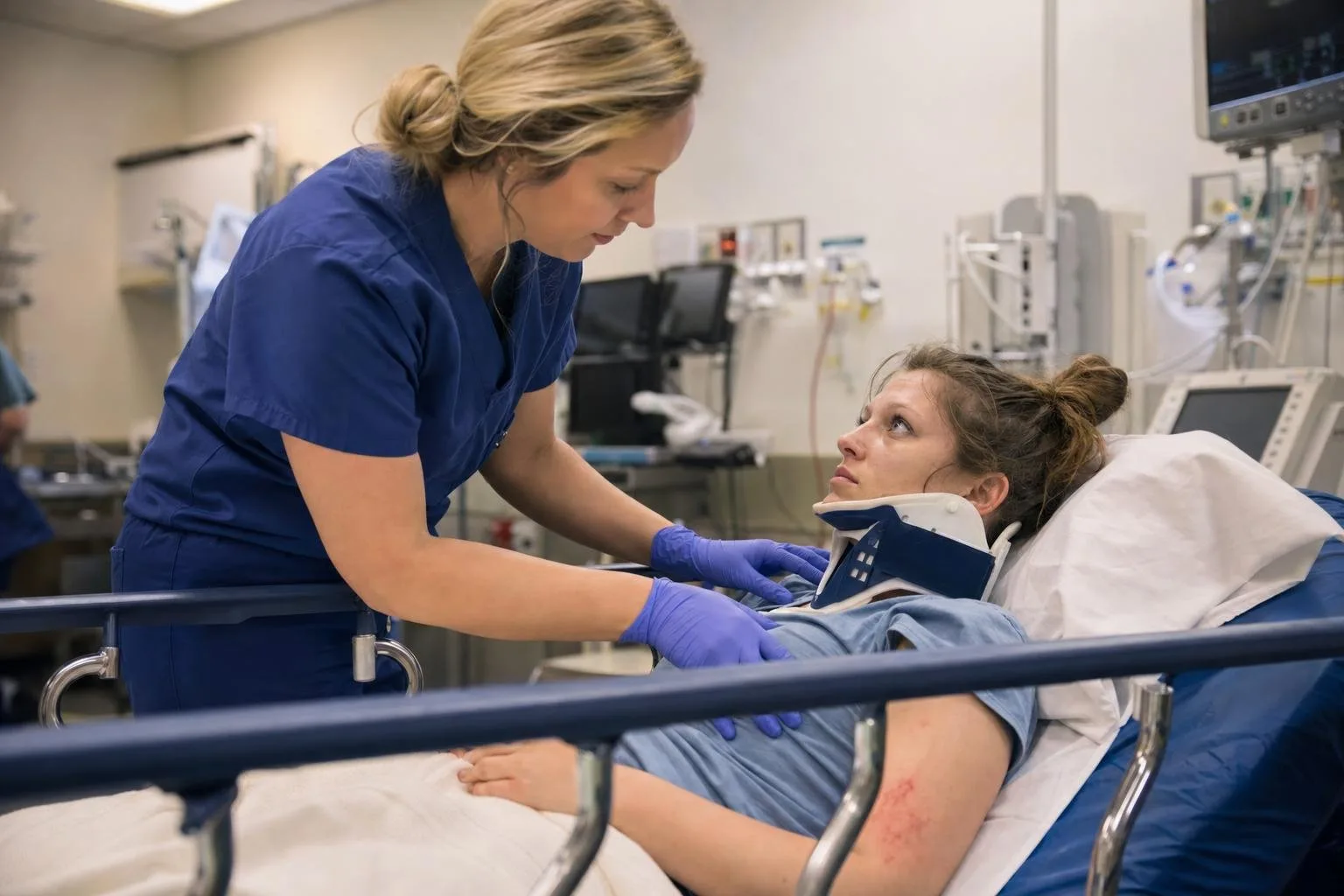
Medical Care After a Car Accident: Why Timing Matters
Adrenaline and shock can mask serious injuries for hours, sometimes days, after a crash. You may walk away from the scene feeling fine and still have a significant injury developing underneath the surface.
Seek Treatment Even If You Feel Fine
Soft-tissue damage, whiplash, traumatic brain injury, and internal bleeding commonly take 24 to 72 hours to produce noticeable symptoms. By the time pain appears, the injury has already been progressing. Inova Alexandria Hospital on Seminary Road is the primary trauma facility serving Northern Virginia residents. Going there the same day creates a clear, dated medical record tied directly to the crash.
Virginia courts and insurance adjusters treat gaps in medical treatment as evidence that your injuries were not serious. A delay of even a few days gives the opposing insurer grounds to argue your injuries were minor or caused by something else. That argument directly reduces the compensation you are entitled to under Virginia law.
How Medical Records Become Evidence
Every document generated during your treatment becomes part of the evidentiary record in your personal injury claim. ER notes, imaging results, physical therapy logs, and prescription records all tell the story of what the crash did to your body. Keep copies of everything. Track your appointments, missed workdays, and out-of-pocket expenses in a simple written log.
An Alexandria personal injury attorney reviews your complete treatment history to calculate not just current medical bills, but projected future costs including long-term rehabilitation and lost earning capacity. That full picture of damages is what determines the value of your claim.
How the Insurance Claim Process Works in Virginia
Virginia requires every driver to carry minimum liability coverage of $30,000 per person, $60,000 per accident, and $20,000 for property damage. Those minimums, in force as of 2026, leave many accident victims undercompensated. High-volume corridors like Route 1 and Eisenhower Avenue see a significant share of crashes involving drivers who carry only the state minimum or nothing at all.
Filing the Claim and Virginia’s Reporting Requirements
You have two years from the date of your accident to file a personal injury claim under Virginia Code Section 8.01-243. That deadline sounds distant, but evidence disappears quickly. Witness memories fade, surveillance footage gets overwritten, and medical records become harder to connect to the crash. Our attorneys begin preserving evidence on day one.
If the driver who hit you carries no insurance, your own uninsured motorist (UM) coverage becomes your primary recovery vehicle. Virginia law requires insurers to offer UM and underinsured motorist (UIM) coverage when you purchase a policy. If you declined it, that decision limits your options now.
Understanding What Compensation You May Be Entitled To
Under Virginia law, you may be entitled to recover medical expenses (both past and future), lost wages, reduced earning capacity, property damage, and pain and suffering. In cases involving gross negligence, punitive damages may also apply.
Insurance adjusters are trained to minimize payouts. Their first settlement offer is rarely close to full compensation you are entitled to under Virginia law. Our attorneys review your case before you respond to any adjuster.
A car accident in Northern Virginia can cost you far more than a damaged vehicle. Our team reviews cases at no cost to you. Call The Alvarez Law Firm at (703) 888-0959 or visit our office at 50 South Pickett St., Suite 110 to speak with an attorney before the insurance adjuster calls back.
Frequently Asked Questions
How Long Do I Have to File a Car Accident Lawsuit in Virginia?
Virginia’s statute of limitations gives most car accident victims two years from the date of the crash to file a personal injury lawsuit. If a loved one was killed in the accident, the same two-year window applies to wrongful death claims. Missing this deadline almost always bars you from recovering any compensation, so contacting The Alvarez Law Firm as soon as possible after your accident protects your rights.
Can I Still Recover Compensation If I Was Partially at Fault for the Accident?
Virginia follows a strict pure contributory negligence rule, which means that even being found one percent at fault can bar you from recovering any damages. This is one of the harshest standards in the country and makes it critical to have an attorney build the strongest possible case on your behalf. The Alvarez Law Firm regularly works with accident reconstruction experts and witnesses to counter fault allegations made by opposing insurers.
What If the Other Driver Was Uninsured or Underinsured?
Virginia law requires insurers to offer uninsured and underinsured motorist coverage, though drivers can reject it in writing. If the at-fault driver carries no insurance or insufficient coverage, your own policy may cover the gap up to your elected limits. An attorney at The Alvarez Law Firm can review your policy language and identify every available source of recovery before you accept any settlement.
How Long Does a Car Accident Settlement Typically Take in Alexandria?
Straightforward cases with clear liability and fully documented injuries can settle in a few months, while disputed liability cases or those involving serious injuries often take one to two years or longer. Rushing a settlement before your medical condition stabilizes is one of the most common mistakes victims make, and it often results in accepting far less than the claim is actually worth.
Will I Have to Go to Court for My Car Accident Claim?
The majority of car accident claims in Virginia are resolved through negotiated settlements and never reach a courtroom. However, if the insurance company disputes liability, undervalues your injuries, or refuses to negotiate in good faith, filing suit may be the only way to secure fair compensation. The Alvarez Law Firm prepares every case as if it will go to trial, which often motivates insurers to offer reasonable settlements before litigation becomes necessary.
What Happens If My Injuries Do Not Show Up Until Days After the Crash?
Delayed onset injuries such as whiplash, concussions, and soft tissue damage are extremely common after car accidents, and insurers frequently use a gap in treatment to argue that the injuries are unrelated to the crash. Seeing a doctor within 24 to 72 hours of any accident, even a minor one, creates a medical record that ties your symptoms directly to the collision. If you are already experiencing delayed symptoms, The Alvarez Law Firm can help you document the timeline in a way that supports your claim.
Can I Negotiate Directly with the Insurance Company Without a Lawyer?
You are legally permitted to negotiate your own claim, but insurance adjusters are trained to minimize payouts and may record your statements and use them against you. Virginia’s contributory negligence rule makes any casual admission of fault especially dangerous in a direct negotiation. Most clients of The Alvarez Law Firm find that having legal representation results in significantly higher net recoveries even after accounting for attorney fees.
Ready to Get Started with The Alvarez Law Firm?
Call (703) 888-0959 to speak with our team directly. We’re ready to answer your questions, walk you through your options, and help you find the right solution for your needs. Reach out today and let’s talk about how we can help.