
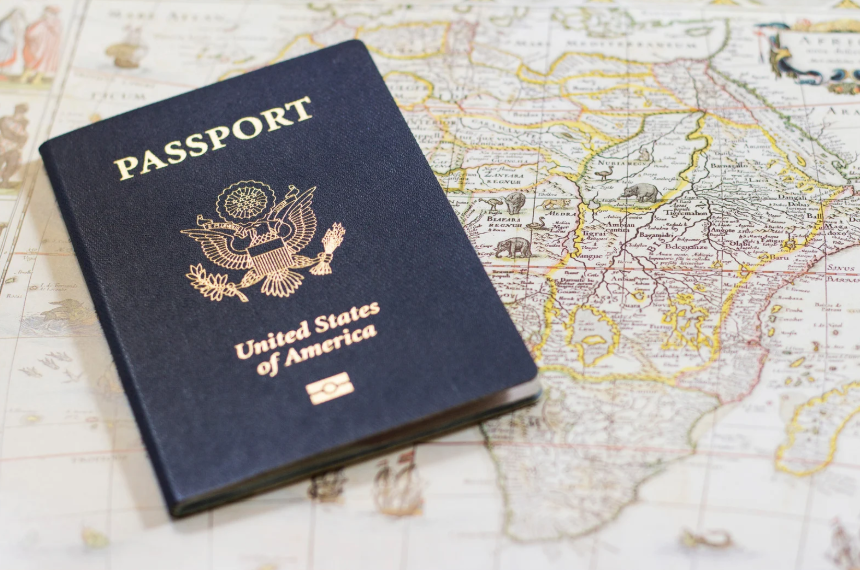
For most permanent residents, naturalization is the final step in a years-long immigration journey. The U.S. naturalization process turns a green card holder into a U.S. citizen, with the right to vote, hold a U.S. passport, sponsor more relatives, take federal jobs, and live without any further risk of losing immigration status.
The process involves a single primary form, a fee, a biometrics appointment, an interview that includes English and civics tests, and an Oath of Allegiance ceremony. The path looks simple on paper, but small mistakes in eligibility, documentation, or interview preparation can delay or derail an application. This guide walks through each step.
What Naturalization Actually Is
Naturalization is the legal process by which a foreign-born person becomes a U.S. citizen. It is one of two ways to acquire U.S. citizenship after birth, the other being acquisition or derivation through a U.S. citizen parent in qualifying circumstances.
A naturalized U.S. citizen has nearly all the same rights and responsibilities as a citizen by birth, including:
- The right to vote in federal, state, and local elections.
- The ability to apply for a U.S. passport and travel internationally as a U.S. citizen.
- Eligibility for federal jobs that require citizenship and certain security clearances.
- The ability to sponsor more family members for green cards, including parents and married children, with no risk of waiting decades in family preference categories.
- Permanent protection from deportation, with very narrow exceptions for fraud in the naturalization process itself.
- The right to pass U.S. citizenship to children born abroad in qualifying situations.
The one significant limitation is that naturalized citizens cannot serve as President or Vice President of the United States. They can hold every other elected office in the country.
Eligibility Requirements at a Glance
Before filing, applicants must confirm they meet all of the basic eligibility requirements. The core requirements include:
- Age 18 or older at the time of filing Form N-400.
- Lawful permanent resident status for at least five years (three years if married to and living with a U.S. citizen for that entire period).
- Continuous residence in the United States for the required period without breaks longer than six months.
- Physical presence in the United States for at least half of the required residence period (30 months out of 5 years, or 18 months out of 3 years).
- Three months of state residence in the state or USCIS district where you file the application.
- Good moral character during the required period and through the Oath ceremony.
- English proficiency in reading, writing, speaking, and understanding (with limited age and disability exemptions).
- Civics knowledge of U.S. history and government (same exemption framework).
- Attachment to the principles of the U.S. Constitution and willingness to take the Oath of Allegiance.
Applicants who hold lawful permanent residence but are unsure whether their travel history, criminal history, or tax compliance affects eligibility should consult an attorney before filing. A denial creates problems beyond losing the application fee.
The Two Filing Paths Compared
Most naturalization applicants file under one of two paths. The differences matter because they change the timing of when you can file and what evidence you must submit.
| Requirement | General Provision (5-Year Path) | Spouse of U.S. Citizen (3-Year Path) |
|---|---|---|
| Time as lawful permanent resident | At least 5 years | At least 3 years |
| Marriage requirement | None | Married to and living with U.S. citizen for full 3-year period |
| Physical presence | At least 30 months in the U.S. | At least 18 months in the U.S. |
| Continuous residence | 5 years | 3 years |
| Good moral character period | Last 5 years | Last 3 years |
| Earliest filing | 90 days before reaching the 5-year mark | 90 days before reaching the 3-year mark |
Several smaller categories allow accelerated paths to naturalization, including certain U.S. military service members, who in some circumstances can apply with no prior LPR period at all.
The 10-Step Naturalization Process
USCIS organizes the naturalization journey into ten steps, from determining eligibility through receiving the Certificate of Naturalization at the Oath ceremony. The sections below walk through what to expect at each stage.
Step 1: Confirm You Meet Eligibility
This is where most preventable problems start. Applicants who file before truly meeting the continuous residence or physical presence requirements often see denials, lost fees, and complications for future filings.
The 90-day early filing rule allows you to file Form N-400 up to 90 days before completing the required continuous residence period (5 years or 3 years). This is calculated by subtracting 90 days from the anniversary of your green card date. Filing even one day earlier than the 90-day window results in rejection.
Continuous residence and physical presence are different concepts that often confuse applicants. Continuous residence means you have not abandoned U.S. residence, with absences over six months presumed to break continuity. Physical presence means total days physically inside the United States, calculated by adding up your time in the country.
Step 2: Prepare and File Form N-400
Form N-400, Application for Naturalization, is the central document in the naturalization process. The current filing fee is $760, payable online through a USCIS account or by Form G-1450 (credit card authorization) or G-1650 (ACH bank authorization) when filing by paper.
You will need to provide:
- A copy of your Permanent Resident Card (front and back).
- Documentation of marital status, including marriage and divorce certificates.
- Tax transcripts from the IRS, particularly if you have been outside the United States.
- Records of all trips outside the United States during the required residence period.
- Selective Service registration verification (for males who lived in the U.S. between ages 18 and 26).
- Evidence of any criminal history, even matters that were dismissed, expunged, or sealed.
- Court records and proof of compliance for any child support, alimony, or court-ordered obligations.
Recent policy changes have expanded the good moral character review to include both positive contributions (community involvement, tax compliance, civic engagement) and minor infractions or questionable behavior. Submitting documentation of positive contributions, including testimonial letters, can strengthen the application.
Step 3: Biometrics Appointment
After USCIS accepts your Form N-400, you will receive an appointment notice for a biometrics appointment at a local Application Support Center. The appointment typically takes 15 to 30 minutes and involves:
- Digital fingerprinting.
- A photograph for your file.
- A signature capture for verification purposes.
USCIS uses the fingerprints to run FBI background checks and to confirm your identity for the eventual Certificate of Naturalization. In some cases, USCIS reuses fingerprints from prior immigration filings rather than scheduling a new appointment.
Step 4: Wait for the Interview Notice

After biometrics and background checks complete, USCIS reviews the file and schedules an interview. Wait times for the interview notice vary significantly by USCIS field office, often ranging from several months to over a year.
During this wait, you should not travel internationally for periods longer than six months without consulting an attorney, file any tax returns that come due, keep your address updated with USCIS within 10 days of any move (this is a legal requirement, not optional), and continue studying for the English and civics tests.
Step 5: The Naturalization Interview
The interview is conducted in person at a USCIS field office by a USCIS officer. It typically lasts 20 to 45 minutes and serves several purposes simultaneously: reviewing the answers on Form N-400, evaluating your spoken English, and administering the civics and English tests.
Bring to the interview:
- Your interview appointment notice.
- Your Permanent Resident Card.
- A state-issued photo ID such as a driver’s license.
- All current and expired passports issued since you became an LPR.
- Original copies of any documents you submitted with your application.
- Updated tax transcripts if your travel history is unusual.
- Any records related to changes in marital status, employment, or residence since filing.
The officer will ask you to swear or affirm to tell the truth, then walk through the application page by page. They are evaluating your spoken English throughout the interview itself, so the speaking portion of the English test is not a separate exam.
Step 6: The English and Civics Tests
The naturalization test has two main components:
- English test: Reading (one of three sentences read aloud correctly), writing (one of three sentences written correctly), and speaking (assessed throughout the interview).
- Civics test: Oral questions about U.S. history and government.
USCIS implemented a new 2025 civics test for applicants who file Form N-400 on or after October 20, 2025. The 2025 test draws from a pool of 128 questions, and applicants are asked up to 20 questions. To pass, you must answer at least 12 correctly. Applicants who filed before October 20, 2025 take the 2008 civics test, which uses a smaller question pool with a different scoring structure.
If you fail any portion at the initial interview, USCIS gives you a second attempt 60 to 90 days later, but only on the portion you failed. Failing twice generally results in denial.
Age and disability exemptions exist. Applicants who are 50 or older with 20+ years of LPR status, or 55 or older with 15+ years, can take the civics test in their native language. Applicants 65 or older with 20+ years of LPR status get a simplified civics test of 20 questions in their native language. Disability waivers require Form N-648 completed by a qualifying medical professional.
Step 7: USCIS Decision
USCIS will issue one of three possible decisions on your application:
- Granted. Your application is approved and you will be scheduled for an Oath of Allegiance ceremony, sometimes the same day as the interview.
- Continued. USCIS needs more information, additional documentation, or wants to retest you on the English or civics components. You will be given specific instructions on what to provide and a follow-up interview date if needed.
- Denied. USCIS has determined that you do not meet the requirements for naturalization. The denial notice will explain the basis. You have 30 days to file Form N-336 requesting a hearing before a different USCIS officer, and if that is also denied, you can petition for review in federal district court.
A denial does not necessarily end your immigration future. Many applicants who are denied can refile after addressing the underlying issue. The original denial reason controls whether refiling makes sense and when.
Step 8: The Oath of Allegiance Ceremony
You are not a U.S. citizen until you take the Oath of Allegiance at a naturalization ceremony. This is true even if your application was approved at the interview. The Oath ceremony is the legal moment of citizenship.
At the ceremony you will:
- Check in with USCIS staff and complete Form N-445 (the Notice of Naturalization Oath Ceremony questionnaire), which asks about anything that has changed since your interview.
- Surrender your Permanent Resident Card.
- Take the Oath of Allegiance with other new citizens.
- Receive your Certificate of Naturalization.
- Review the certificate carefully for spelling errors before leaving the ceremony site, since corrections take much longer to fix afterward.
After the ceremony, you can apply for a U.S. passport, register to vote, and update your records with the Social Security Administration.
Recent Policy Changes Applicants Should Know About
Two significant policy changes affect current naturalization applications:
- Expanded good moral character review. USCIS officers now consider both positive contributions (community involvement, tax compliance, civic engagement, charitable activity) and minor infractions or questionable behavior when evaluating good moral character. Applications benefit from documented evidence of positive contributions, including testimonial letters from employers, community leaders, and clergy.
- Reinstated neighborhood checks. For the first time in over 30 years, USCIS officers may contact an applicant’s neighbors, coworkers, or employer to verify eligibility and good moral character. Submitting strong testimonial letters with the application up front can reduce the need for these checks and shorten processing times.
Common Reasons Naturalization Applications Get Denied
Most denials trace to a small set of recurring issues. Understanding them in advance helps applicants address them before filing:
- Continuous residence breaks. Trips outside the U.S. longer than six months presumptively break continuous residence. Trips longer than one year break it absolutely without a re-entry permit.
- Physical presence shortfall. Frequent shorter trips that, in total, leave the applicant outside the U.S. for more than half the required period also defeat eligibility.
- Unpaid or unfiled taxes. Owing back taxes or failing to file required returns is a common GMC issue. Demonstrating a payment plan with the IRS often satisfies USCIS even when the balance remains.
- Failure to register for Selective Service (males who lived in the U.S. between ages 18 and 26).
- Criminal history, including misdemeanors that occurred during or before the GMC period. Even charges that were dismissed must be disclosed and documented.
- Failure to disclose required information, including arrests without convictions, prior immigration filings, or marriages.
- Falling out of marital status during the 3-year spousal path before approval.
Talk to a Naturalization Lawyer Today!
The U.S. naturalization process is achievable for most eligible permanent residents, but the small details matter. A missed disclosure, a poorly documented absence, or a misunderstood eligibility rule can delay your case by years or end it entirely. The Alvarez Law Firm can review your eligibility, prepare your N-400 and supporting evidence, help you prepare for the interview, and represent you through the entire process. Call (703) 888-0959 or contact us online to schedule a consultation.
Frequently Asked Questions
How long does the U.S. naturalization process take?
From filing Form N-400 to taking the Oath of Allegiance typically takes 8 to 18 months, although timelines vary significantly by USCIS field office workload. Faster offices process cases in 6 months; slower ones take two years or more.
Can I travel internationally while my N-400 is pending?
Yes, but with caution. Trips longer than six months can disrupt continuous residence. Trips during the application period can also force rescheduling of biometrics or interview appointments. Always check appointment notices before booking travel, and consult an immigration lawyer before any extended trip abroad while your case is pending.
What happens if I fail the English or civics test?
USCIS gives you a second attempt at the failed portion 60 to 90 days after the initial interview. The second attempt covers only the portion you failed. Failing both attempts generally results in denial, and the most reliable path forward is reapplying after additional preparation.
Do I lose my green card if my naturalization application is denied?
A denial generally does not affect your green card. You remain a lawful permanent resident with the same rights and obligations as before, and you can usually reapply for naturalization once you address the issue that caused the denial. The exception is when the denial reveals a basis for losing LPR status, such as undisclosed criminal conduct or fraud in the original green card application.
Can I keep my original citizenship after naturalizing?
The United States permits dual citizenship. Whether your country of origin permits it depends on its own laws. Some countries automatically revoke citizenship upon naturalization elsewhere; others allow dual or even multiple citizenships. Check with your home country’s embassy or an immigration attorney if you are uncertain.
How much does the naturalization process cost in total?
The current Form N-400 filing fee is $760 (subject to change) when filed online or by paper. Additional costs include passport photographs (in certain situations), travel to the biometrics appointment and interview, and attorney fees if you choose to be represented. Working with a naturalization attorney typically adds several hundred to a few thousand dollars depending on complexity, and is most valuable for applicants with criminal history, complex travel records, tax issues, or prior denials.
About The Alvarez Law Firm
The Alvarez Law Firm handles immigration matters for clients across Northern Virginia and the broader Washington, D.C. region. With practice areas spanning naturalization, family-based immigration, employment-based green cards, work visa petitions, and removal defense, our team helps clients navigate every stage of the U.S. immigration system.